
[This is a guest post by Thomas Ross, a 3rd year Biology student at The University of Manchester – he is currently doing a Science Media Project on the effects of grazing on soil C storage, which I am supervising. This blog post is part of his portfolio, and he has to reflect on its impact in his final submission. So don’t hesitate to leave your comment!]
The carbon stored in soil amounts to double that in the atmosphere and biomass combined and soil has the potential to sequester more. As atmospheric levels of carbon dioxide have been on the rise there has been an increase in global temperatures and climate change (here, the processes involved in soil carbon storage explained in more detail). The potential of the soil carbon reservoir to sequester this carbon from the atmosphere, and potentially ease the speed of climate change, can be influenced by our actions and the way in which we manage land. One such way is through the grazing of domestic livestock.
Grazing has the potential to modify ecosystems drastically and thus affect soil carbon storage. But how much is too much? Unfortunately, I cannot give you a definitive answer as the effects of grazing on soil carbon storage vary greatly. Some studies showing increases in soil carbon due to grazing, others decreases and some no changes at all. This causes a tricky problem when deciding how to manage livestock to ensure maximum soil carbon storage and withholding the interests of all stakeholders.
The issue is that there appear to be so many factors that affect how grazing influences soil carbon storage. Soil type appears to have a profound effect, but only at more extreme precipitation levels. For instance, high precipitation causes carbon storage to increase under grazing in sandy soils, but to decrease in clay soils. The species of grasses that make up pastures (determined by their photosynthesis process of either C4 or C3) can also affect soil carbon storage. C4 grasslands show an increase in soil carbon under heavy intensity grazing, whereas C3 grasses show a decline at high intensity (this review article summarises these findings). Then you have the problem that different species of grazers have different feeding habits. Sheep and goats graze much lower to the ground than cows but do not have the same trampling effect on the grass and soil as the heavier bovines. This all in turn affects the carbon content of the soil. Grazing can also cause erosion, especially in dryer sandy soil. The erosion removes top soils and plants, which means that the potential to store carbon in the soil is severely reduced.
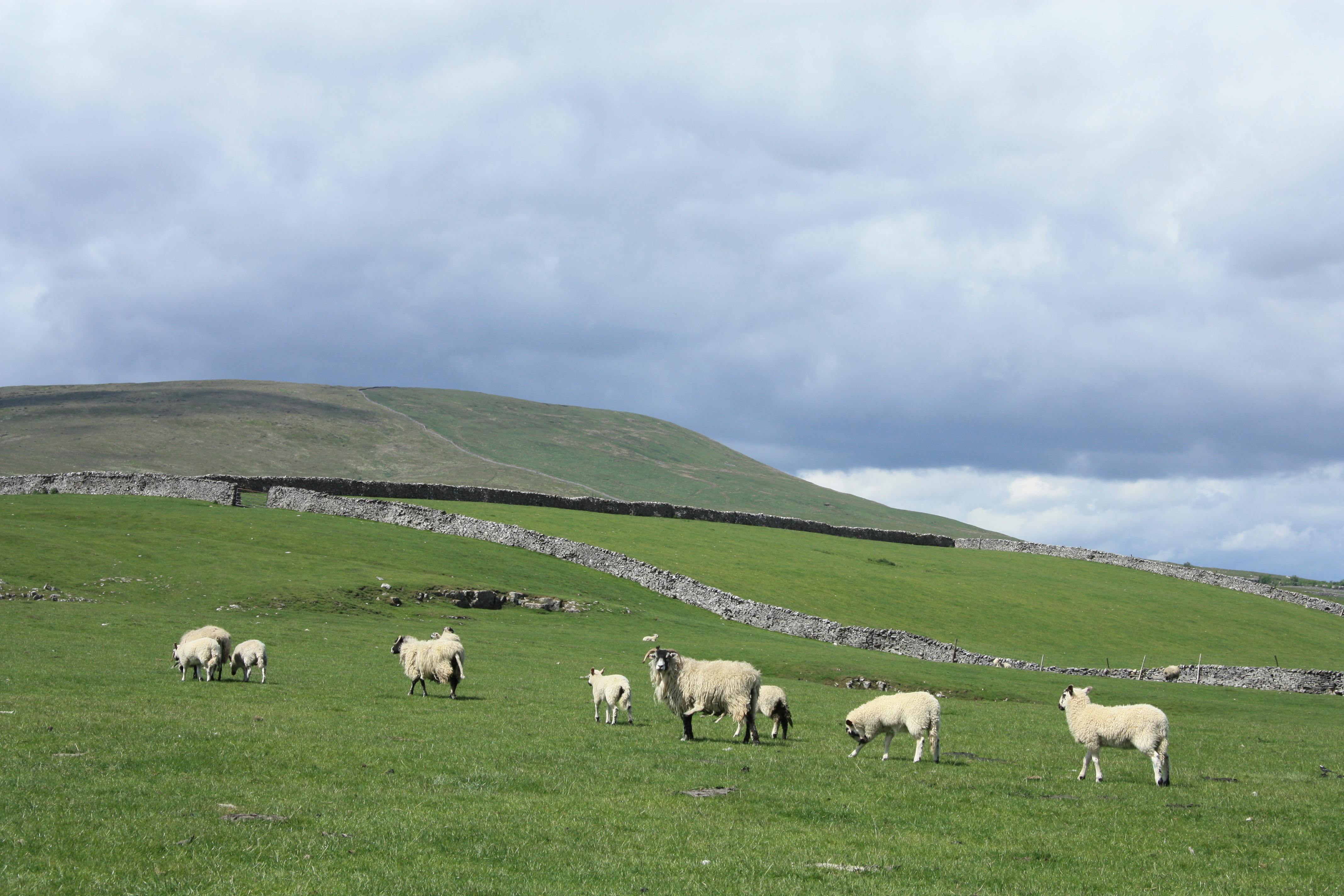
Generally speaking, more carbon is stored in soils in cool temperate regions such as moorland in the UK. Natural England produced a report on grazing livestock on moorland and also alluded to the problem of predicting the effects of grazing on soil carbon storage. They found moderate evidence that soil carbon storage was not significantly affected by removing grazing, even suggesting that light grazing may increase the carbon sequestered by the soil. However, they also believe there is not enough known to make predictions; “More evidence is needed on carbon budgets in different grazing/soil combinations. As management moves towards considering ecological services in the round, then understanding the trade-offs between different services, such as carbon sequestration and livestock production will be necessary”.
When all these factors interact (as they inevitably do) it makes predicting the effects of grazing very difficult. It means there is no universal answer to the question of how grazing effects soil carbon storage and as such the management of grazing livestock must be tailored to individual regions depending on climate, soil type, grass species and grazer species.


 Frantecologist
Leave a reply to ThomasRoss Cancel reply